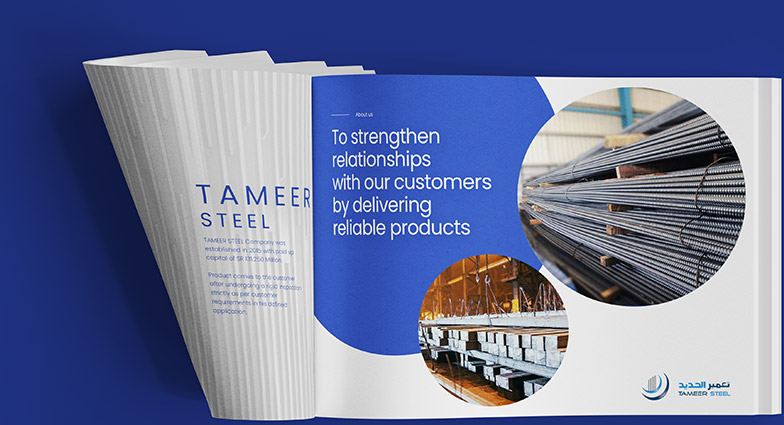
Walk past any construction site today—whether it’s a towering high-rise, an elegant bridge, a residential villa, or even a simple retaining wall—and you’ll notice one material consistently present: steel reinforcement bars, commonly known as rebars. These long, ribbed steel rods might not look glamorous at first glance, but they quietly carry the responsibility of strengthening the concrete structures we rely on every single day.
Concrete is strong in compression but weak in tension. In simple words, it can withstand heavy vertical loads but struggles when forces try to bend or stretch it. That’s where steel reinforcement bars step in. Together, steel and concrete form one of the most durable, versatile, and trusted building materials known to humankind: reinforced concrete.
This blog dives deep into why steel reinforcement bars are considered the backbone of modern construction, how they work, their types, benefits, and why choosing the right rebars is crucial for the safety and longevity of any structure.
Why Steel Is Used to Reinforce Concrete?
To understand the importance of steel reinforcement bars, it helps to know why concrete needs reinforcement in the first place.
Concrete can handle tremendous compressive loads—think of the weight of buildings, vehicles, and other structural elements. But when forces such as bending, vibrations, earthquakes, or wind pressure act on concrete, it experiences tension. Concrete alone cannot effectively withstand this tension, and this can lead to cracks or structural failure over time.
Steel, on the other hand, is extremely strong in tension.
When the two are combined, you get a material with the best of both worlds:
- Concrete handles compression
- Steel handles tension
The magic lies in their compatibility:
They have similar coefficients of thermal expansion, meaning they expand and contract equally in heat and cold.
Steel bonds strongly with concrete due to its surface ribs.
Both materials work together to resist a wide range of loads and stresses.
This synergy is what makes steel reinforcement bars indispensable to modern construction.
A Brief Look at How Rebars Work
Imagine trying to bend a stick of chalk. It snaps instantly because chalk, like concrete, doesn’t handle bending forces well.
But now imagine embedding a thin metal wire inside that same chalk stick. Suddenly, that stick becomes much harder to break. The wire takes the tension while the chalk handles compression.
That’s essentially how rebars work inside concrete.
Rebars are placed strategically within formwork before pouring concrete. Once the concrete sets, the steel becomes locked inside, allowing the resulting structure—called reinforced cement concrete (RCC)—to carry loads more efficiently, resist forces better, and maintain integrity over decades.
Types of Steel Reinforcement Bars Used Today
Modern construction uses different kinds of steel reinforcement bars depending on structural needs, load capacity, and environmental conditions.
1. Mild Steel Bars (Plain Bars)
These are smooth, plain surface bars with low tensile strength. They were commonly used decades ago but have largely been replaced by high-strength bars due to limitations such as:
- Poor bonding with concrete
- Lower strength
- Higher risk of slippage
They are still used in small projects or for non-structural purposes.
2. Deformed Bars (Ribbed Bars)
These are the most widely used rebars today. The ribs on their surface help create a strong mechanical bond with concrete.
Common types include:
TMT Bars (Thermo-Mechanically Treated Bars)
Known for high strength, ductility, earthquake resistance, and corrosion resistance. They are preferred in modern construction due to their enhanced performance.
HYSD Bars (High Yield Strength Deformed Bars)
Strong and widely used in RCC structures.
Why TMT Bars Dominated the Modern Construction Era
While there are several types of rebars, TMT bars have become the standard choice around the world due to their superior manufacturing process and performance.
Advantages of TMT Bars
High tensile strength
Ensures structures can handle heavy loads without cracking.
Great ductility
Helps buildings withstand earthquakes by allowing controlled deformation.
Corrosion resistance
Ideal for coastal regions or structures exposed to moisture.
Fire resistance
Improves safety in case of fire accidents.
Perfect bonding with concrete
Their ribbed surface ensures long-term stability.
Because of these qualities, TMT bars are used in bridges, dams, skyscrapers, highways, industrial structures, residential buildings, and more.
Applications of Steel Reinforcement Bars in Construction
Wherever concrete is used, rebars follow. Here are some key applications:
1. Building Foundations
Foundations bear the entire load of a structure. Rebars ensure that foundations resist tensile forces from soil pressure and load distribution.
2. Columns and Beams
Columns bear vertical loads, while beams translate loads horizontally. Without reinforcement, these elements would be too weak to hold the structure safely.
3. Slabs and Roofs
Slabs experience bending and stretching. Rebars counter these forces, ensuring durability and preventing cracks.
4. Bridges and Flyovers
These structures face dynamic loads, vibrations, and weathering. High-strength rebars ensure safety and longevity.
5. Dams and Water Structures
TMT bars are resistant to corrosion and pressure, making them ideal for dams, canals, and water treatment plants.
6. Roads and Pavements
Rebars increase the load-bearing capacity of concrete roads and prevent cracking due to temperature changes.
7. Industrial Structures
Factories, warehouses, and heavy-duty facilities require reinforced concrete to support machinery and dynamic loads.
Wherever there’s concrete, steel reinforcement bars are its silent protectors.
The Essential Qualities of High-Quality Steel Reinforcement Bars
Not all rebars are created equal. High-quality steel reinforcement bars share certain characteristics that ensure structural reliability:
1. Proper Ductility
A ductile bar bends without breaking—a vital feature during earthquakes or heavy loads.
2. Optimal Tensile Strength
Strong rebars can resist high tension forces, ensuring structural safety.
3. Corrosion Resistance
Coastal and humid areas demand rebars that can withstand moisture without rusting.
4. Uniform Ribs
Ribs must be well-designed and consistent for proper bonding with concrete.
5. Standardized Composition
Bars should comply with national and international standards like BIS, ASTM, or ISO.
Poor-quality rebars may compromise the safety of the entire structure, leading to costly repairs or structural failure.
Why Steel Reinforcement Bars Matter More Than Ever Today?
Modern construction is not just about building; it’s about building stronger, safer, and longer-lasting structures. Several factors make high-quality rebars even more important today:
1. Rapid Urbanization
Cities are growing vertically. Skyscrapers and tall residential towers rely heavily on the strength of reinforced concrete.
2. Increasing Natural Disasters
Earthquakes, storms, and floods demand buildings that can resist massive forces. Ductile rebars save lives in such situations.
3. Longer Lifespan Expectations
Modern consumers expect buildings to last 60–100 years or more. High-quality reinforcement bars make this possible.
4. Complex Architecture
Modern designs involve curves, extended spans, cantilevers, and unconventional shapes—all of which require strong and flexible reinforcement.
Common Myths About Steel Reinforcement Bars
Myth 1: All steel bars are the same.
Reality: Strength, composition, and ductility vary widely.
Myth 2: Thicker bars mean stronger bars.
Reality: Strength depends on the grade, not thickness alone.
Myth 3: Rust on bars means they are unusable.
Reality: Light surface rust is normal and does not affect performance. Deep corrosion, however, is harmful.
The Future of Steel Reinforcement Bars
The construction industry continues to evolve, and steel is evolving with it. Innovations such as:
- High-strength micro-alloyed TMT bars
- Corrosion-resistant bars (CRS rebars)
- Earthquake-resistant Fe 500D and Fe 550D bars
- Smart steel with sensors embedded
are shaping a future where structures become safer, smarter, and more sustainable.
Final Thoughts: The Unseen Strength of Every Structure
Steel reinforcement bars rarely get the spotlight. You don’t see them once the concrete is poured. They don’t appear in the final aesthetics of a building. But without them, even the strongest-looking structures would be vulnerable.
Rebars are truly the unsung heroes of modern infrastructure.
They give our homes stability, our offices safety, our bridges strength, and our cities the foundation to grow and thrive. Their importance cannot be overstated—steel reinforcement bars indeed form the backbone of modern construction.
FAQ’s About Steel Reinforcement Bars
1. What are steel reinforcement bars used for?
Steel reinforcement bars are used to strengthen concrete structures and help them withstand tension, bending, and heavy loads.
2. Why are TMT bars better for construction?
TMT bars are stronger, more ductile, corrosion-resistant, and perform better during earthquakes, making them ideal for modern construction.
3. How do steel rebars improve building safety?
Rebars reinforce concrete, preventing cracks and structural failure, especially during natural forces like wind, load stress, and earthquakes.
4. Which grade of steel reinforcement bar is best?
Fe 500D and Fe 550D are commonly preferred for their high strength, flexibility, and earthquake resistance.
5. Can steel reinforcement bars rust?
Yes, but high-quality TMT bars have better corrosion resistance. Light rust is normal, but deep corrosion should be avoided.