When we admire the finished building—be it a family home, shopping center, or corporate tower—we typically like the architecture, paint finish, glass façade, and spacious interiors. What we seldom consider is the lengthy inventory of materials that brought it to life — and the construction material suppliers who made sure everything arrived on schedule and met specifications.
Suppliers of construction material are an integral part of any project. And yet, they don’t merely sell products; they offer the very elements that make or break a structure’s strength, longevity, safety, and appearance. Whether building a home or a skyscraper, everything starts from the ground up—and foundation materials are no different.
If you’re embarking on a project—small or big—knowing what materials construction suppliers have will allow you to make better decisions, control your finances, and avoid delays.
Let’s get to the simple, practical bottom of it.
Cement and Binding Materials
Almost every construction project begins with cement. It’s the glue for concrete and mortar, holding everything together.
Suppliers typically offer:
- Ordinary Portland Cement (OPC)
- Portland Pozzolana Cement (PPC)
- Portland Slag Cement (PSC)
- Rapid Hardening Cement
White Cement
They all have their place. OPC is widely used for normal concrete work. PPC is more durable and resistant to chemicals. When time is of the essence, rapid-hardening cement is perfect.
The cement you pick is rather crucial to the strength and longevity of your structure.
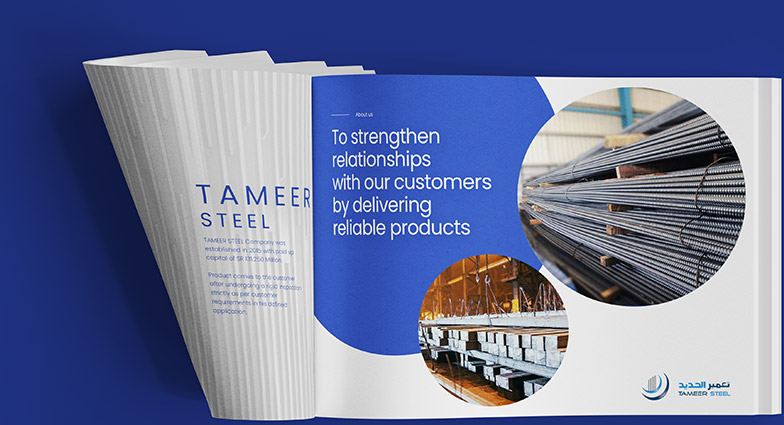
Steel Reinforcement Materials
Concrete offers great strength under pressure but is relatively weak in tension. This is where the steel reinforcement comes in.
Construction suppliers provide the following:
- TMT (Thermo-Mechanically Treated) bars
- Mild steel bars
- Corrosion-resistant bars
- Steel structural shapes (wide flange beams, channel, etc.)
- Binding wire
Cement reinforcement Can be used in all structures, including foundations, columns, beams, and slabs. High-grade steel is especially important in those regions prone to earthquakes, they contend, for the sake of safety.
The best concrete will crumble without reinforcement under pressure.
Aggregates and Sand
At least two-thirds of concrete is made up of aggregates. They control its strength, hardness, and ductility.
Suppliers usually offer:
- Coarse aggregates (crushed stone, gravel)
- Fine aggregates (natural sand)
- Manufactured sand (M-sand)
- River sand (where permitted)
The size, cleanness, and quality of aggregates have a direct influence on the properties of concrete. Reputable sources guarantee that the material will be graded and be free of impurities.
Bricks and Blocks
First of all, walls are constructed of different masonry materials according to fashion and income.
Common options include:
- Clay bricks
- Fly ash bricks
- Concrete blocks
- AAC (Autoclaved Aerated Concrete) blocks
- Hollow blocks
- Solid blocks
AAC blocks are lightweight and offer insulation. Fly ash bricks are Green building material and Promotes farmers to use the raw materials for industries. Concrete blocks are used as structural and partition walls.
It is determined by building envelope requirements, energy efficiency targets, and overall project budget.
Ready-Mix Concrete (RMC)
In the case of such projects, they’re using ready-mix concrete.
It is premixed concrete cement transported to the construction site. Benefits include:
- Consistent quality control
- Reduced labor requirements
- Less material wastage
- Faster construction speed
The RMC is extensively used in various commercial high-rise buildings, bridges, and infrastructure works.
Plumbing Materials
No building is operational without a good water supply and, where possible, drainage.
Construction material suppliers typically provide the following:
- PVC pipes and fittings
- CPVC pipes
- UPVC pipes
- HDPE pipes
- Water tanks
- Valves and connectors
- Sanitary fixtures
Durable plumbing products protect against harmful leakage, reduce service costs, and can outlast the life of your home or facility.
Electrical Materials
Electric systems need to be safe, high-performing, and standards-compliant.
Suppliers offer:
- Electrical wires and cables
- Conduits and trunking
- Switches and sockets
- Distribution boards
- Circuit breakers
- Earthing materials
- LED lighting systems
Using certified electrical supplies minimizes the chances of short circuits, fire outbreak, and overall system failure.
Waterproofing Materials
The chief villain in the life of your building’s structural system is water. To avoid this, suppliers offer waterproofing services for the following:
- Foundations
- Roofs
- Bathrooms
- Basements
- Water tanks
Common waterproofing materials include:
- Liquid membranes
- Bituminous coatings
- Cementitious waterproofing compounds
- Waterproof sheets
- Chemical admixtures
If waterproofed correctly, building life is extended and maintenance costs are reduced.
Finishing Materials
Finishing materials provide the building a final appearance and texture. They can take a building and turn it into somewhere pleasant and beautiful.
Suppliers provide:
- Tiles (ceramic, vitrified, porcelain)
- Marble and granite
- Natural stone
- Paints and primers
- Wall putty
- Plaster materials
- False ceiling systems
- Gypsum boards
Adding flexibility in both appearance and operation, these have worked.
Doors, Windows, and Hardware
You can purchase from Building Suppliers both of the structural elements, including:
- Wooden doors
- Steel doors
- Fire-rated doors
- Aluminum windows
- UPVC windows
- Door handles and locks
- Hinges and fittings
These days, UPVC and aluminum frames are being favored more and more because of their durability as well as low maintenance costs.
Insulation Materials
Construction is increasingly focusing on energy efficiency.
Suppliers provide insulation materials like the following:
- Glass wool
- Rock wool
- Foam boards
- Reflective insulation sheets
- Acoustic insulation panels
Well insulated is what makes a home comfortable and saves on energy costs.
Construction Chemicals and Admixtures
Construction chemicals improve material performance to meet environmental conditions and other physical soil challenges.
These include:
- Plasticizers and superplasticizers
- Accelerators and retarders
- Bonding agents
- Grouts
- Sealants
- Curing compounds
They do increase workability, strength, and durability, particularly in harsh environments.
Tools and Safety Equipment
Some suppliers may also carry necessary construction tools and safety equipment, including:
- Trowels and floats
- Cutting machines
- Concrete vibrators
- Helmets and gloves
- Safety harnesses
- Scaffolding materials
Accessibility of the tools from a single vendor simplifies its purchase and provision.
Residential vs. Commercial Material Requirements
Residential projects typically focus on:
- Cement and steel
- Bricks and blocks
- Plumbing and electrical materials
- Interior finishes
The following requirements are usually needed for commercial and infrastructure projects:
- Ready-mix concrete
- Structural steel
- Fire-resistant materials
- Advanced waterproofing systems
- Heavy-duty insulation
The size of the project is in direct relation to the number and amounts of materials that it will require.
Why the Right Supplier is Important?
Not all vendors are created equal in quality or service. The role of a good building supply store:
- Standard-compliant, certified products
- Transparent pricing
- On-time delivery
- Consistent availability
- Technical support when needed
If there are material delays or issues with the quality of materials, it can drive up costs and cut corners on safety.
Final Thoughts
Construction material suppliers make their sales in more ways than one. They are the components of every successful project—from first nail to final coat of paint.
Knowing what kind of materials they offer can provide homeowners, contractors, and developers with a better plan for their projects, cost control, and long-term durability.
Every successful and gorgeous building out there begins with a good base—and the right materials behind them.
FAQ’s
- What types of materials do construction material suppliers offer?
Construction material suppliers offer cement, steel reinforcement bars, sand, aggregates, bricks, blocks, plumbing materials, electrical supplies, waterproofing products, finishing materials, and construction chemicals.
- Do construction suppliers provide steel and cement?
Yes, most suppliers provide various types of cement (OPC, PPC, PSC) and steel reinforcement bars such as TMT bars and structural steel sections.
- Can I get plumbing and electrical materials from one supplier?
Yes, many construction suppliers offer pipes, fittings, water tanks, wires, cables, switches, and other essential plumbing and electrical materials.
- What types of bricks and blocks are available from suppliers?
Suppliers typically offer clay bricks, fly ash bricks, concrete blocks, AAC blocks, hollow blocks, and solid blocks.
- Do construction suppliers provide ready-mix concrete?
Yes, many suppliers provide ready-mix concrete (RMC) for residential, commercial, and infrastructure projects.