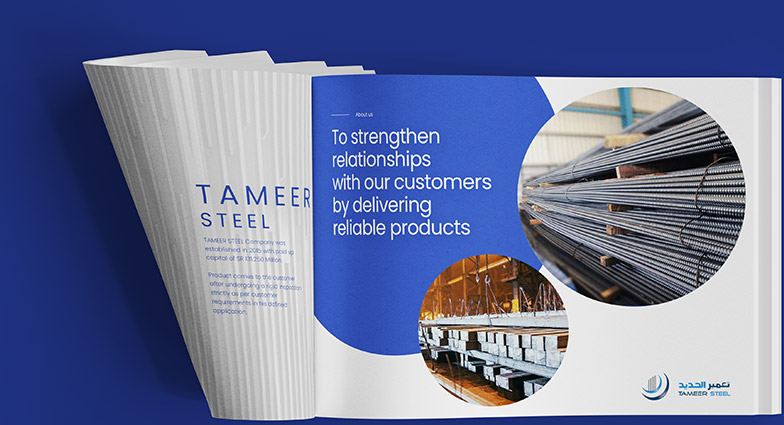
Steel has always played a defining role in shaping the modern world. From high-rise buildings and bridges to residential homes and industrial complexes, almost every structure relies on the strength and durability of reinforced concrete. At the core of this reinforcement are Steel Reinforcement Bars (Rebars)—the unseen yet essential elements that give concrete the tensile strength it naturally lacks. Understanding what these bars are, the different types available, and their many advantages helps builders, engineers, and project owners make more informed decisions, especially when comparing steel rebar price or evaluating suppliers like a prime steel billet manufacturer.
In this humanized, easy-to-read guide, we’ll break down everything you need to know about Steel Reinforcement Bars: their types, uses, advantages, and how they fit into the bigger picture of modern construction.
What Are Steel Reinforcement Bars?
Concrete is strong in compression but weak in tension. This means that while it can bear heavy loads, it struggles to withstand stretching forces. Steel Reinforcement Bars, commonly known as rebars, solve this problem by giving concrete the tension capacity it lacks. Together, steel and concrete create a composite material that is exceptionally strong, long-lasting, and suitable for all types of construction.
Rebars are manufactured from steel billets—often supplied by a prime steel billet manufacturer—which ensures the consistency, strength, and durability of the final product. Because structural safety depends greatly on the quality of rebars, the choice of raw material and manufacturing process becomes extremely important.
Also Read: Why Prime Steel Billets Matter: Inside Saudi Arabia’s Leading Manufacturer?
Types of Steel Reinforcement Bars
Not all rebars are the same. They come in various types, each designed for specific performance needs. Here’s a human-friendly breakdown of the most widely used types:
1. Mild Steel Bars
These are plain, smooth-surfaced steel rods with a round shape. They’re typically used in applications where the load requirement is relatively low or where the structure doesn’t need high tensile strength.
Features:
- Smooth surface
- Easy to bend and shape
- Less resistance to slippage
Common Uses:
- Temporary structures
- Light-duty construction
- Decorative concrete work
2. High-Yield Strength Deformed Bars (HYSD)
These bars come with ribs, lugs, or deformations on the surface. This improves the bond between the concrete and the steel, making the structure stronger and more stable.
- Features:
Stronger than mild steel bars - Better grip in concrete
- Higher load-bearing capacity
Common Uses:
- Residential construction
- Commercial buildings
- Infrastructure projects
HYSD bars also help optimize costs because their higher strength means less steel is required for the same performance.
3. Thermo-Mechanically Treated Bars (TMT)
TMT bars are among the most popular types of rebars used today. Their advanced production process includes controlled heating and cooling, which results in exceptional strength and flexibility.
Features:
- High tensile strength
- Better earthquake resistance
- Superior corrosion resistance
- Uniform rib pattern for greater bonding
Common Uses:
- High-rise buildings
- Seismic-prone areas
- Marine environments
- Large infrastructure projects
Because of their superior lifestyle and long-term performance, TMT bars play a major role in influencing steel rebar price.
4. Epoxy-Coated Rebars
These are regular steel rebars treated with an epoxy coating to prevent corrosion. They are ideal for environments where moisture or chemicals pose a threat.
Benefits:
- High corrosion resistance
- Ideal for water structures and coastal projects
Best For:
- Bridges
- Tunnels
- Parking garages
- Marine structures
5. Stainless Steel Rebars
These rebars offer the highest resistance to corrosion and maintain strength even in harsh environments. Although they come at a higher cost, their durability makes them suitable for special-purpose applications.
Used In:
- Waterfront construction
- Chemical plants
- Long-term projects with minimal maintenance
6. Welded Wire Fabric (WWF)
This is a mesh of steel wires welded together in grid form. It’s commonly used in slabs, roads, and large concrete panels.
Advantages:
- Quick installation
- Uniform distribution of reinforcement
- Reduced labor costs
Uses of Steel Reinforcement Bars in Construction
Steel Reinforcement Bars are the backbone of modern construction. Their versatility and strength make them essential in a wide range of applications:
1. Building Foundations
The entire weight of a building rests on its foundation. Rebars strengthen concrete foundations by improving load-bearing capacity and reducing the risk of cracks.
2. Columns and Beams
Columns carry vertical loads, while beams support horizontal forces. Rebars ensure both maintain structural stability under pressure.
3. Slabs and Roofs
Concrete slabs require reinforcement to handle vibration, weight, and temperature changes. Rebars help distribute loads evenly.
4. Bridges and Highways
Large infrastructure projects face heavy traffic loads, environmental exposure, and constant movement. High-strength rebars, especially TMT and epoxy-coated ones, are ideal for such projects.
5. Industrial Projects
Factories, warehouses, and power plants rely heavily on reinforced concrete for stability, durability, and safety.
6. Water Retaining Structures
Dams, canals, water tanks, and sewage projects require corrosion-resistant rebars to prevent long-term degradation.
Advantages of Steel Reinforcement Bars
Let’s break down the key reasons why Steel Reinforcement Bars are indispensable in construction:
1. High Tensile Strength
Steel is incredibly strong. When embedded into concrete, it significantly increases the structure’s ability to withstand tension, making buildings safer and more durable.
2. Excellent Ductility
Steel can bend without breaking. This ductility allows structures to withstand dynamic forces like earthquakes and heavy winds.
3. Superior Bond with Concrete
The ribbed patterns on rebars help anchor them firmly into concrete, preventing slippage and improving load transfer.
4. Long-Term Durability
Rebars help concrete withstand environmental stresses, heavy loads, and constant pressure—extending the building’s lifespan.
5. Cost-Effectiveness
Although steel rebar price can fluctuate due to raw material costs, using high-quality rebars helps reduce long-term repair and maintenance expenses.
6. Fire Resistance
Steel can tolerate high temperatures, making reinforced concrete a safe choice in fire-prone areas.
7. Sustainable and Recyclable
Steel rebars are recyclable, supporting eco-friendly construction practices. Recycled steel does not compromise the strength or performance of rebars.
How Steel Rebar Price Is Determined?
Several factors influence the pricing of rebars, including:
- Cost of raw materials
- Production technology
- Global steel demand
- Quality and grade of the steel
- Supply chain efficiency
- Market conditions
Working closely with a trusted supplier or a prime steel billet manufacturer ensures consistent pricing, stable supply, and premium quality.
Why the Quality of Steel Billets Matters?
Steel billets are the raw material from which rebars are made. A prime steel billet manufacturer produces billets with:
Uniform chemical composition
- High purity
- Consistent strength
- Better rolling performance
High-quality billets lead to stronger, safer, and more durable Steel Reinforcement Bars.
Final Thoughts
Steel Reinforcement Bars are the silent heroes that keep our structures strong, safe, and reliable. Whether you’re constructing a home, an office building, or a massive infrastructure project, choosing the right type of rebar can significantly impact performance and longevity. By understanding the types, uses, and advantages of rebars, you can make smarter decisions—especially when evaluating steel rebar price or selecting a trusted prime steel billet manufacturer.
As construction technologies advance, the role of rebars continues to grow. From seismic resistance to corrosion protection, modern rebars offer features that make today’s structures safer and more durable than ever before.
FAQ’s Related Steel Reinforcement Bars
1. What are steel reinforcement bars used for?
Steel reinforcement bars are used to strengthen concrete and make buildings more durable.
2. Which type of rebar is best for construction?
TMT bars are often considered the best because they are strong, flexible, and corrosion-resistant.
3. What affects the steel rebar price?
Steel rebar price depends on raw material cost, demand, quality, and manufacturing process.
4. How do I choose a good rebar manufacturer?
Choose one with strong quality standards, good reviews, and reliable delivery.
5. What is a prime steel billet manufacturer?
A prime steel billet manufacturer produces high-quality steel billets used to make strong and durable rebars.