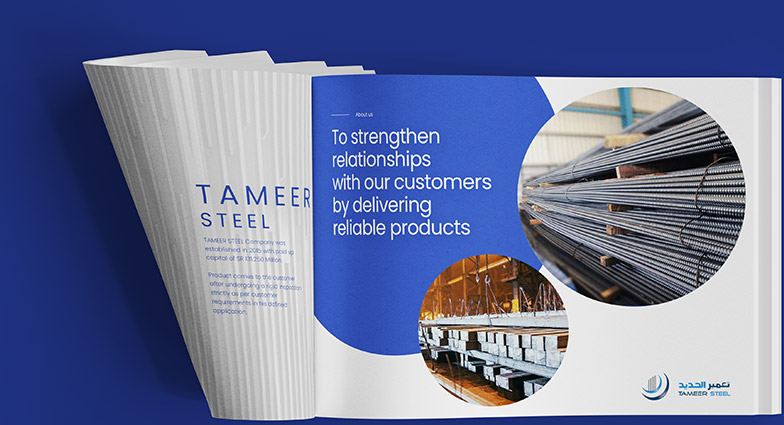
Concrete is often celebrated as the hero of the construction world—strong, durable, affordable, and incredibly versatile. From floors and beams to high-rise towers and massive infrastructure, concrete is everywhere around us. But what many people don’t realize is that concrete alone is not enough. For concrete to truly perform the way we expect it to, it needs a partner. That partner is steel. More specifically, steel reinforcement bars, commonly known as rebars or reinforcement steel.
In almost every modern concrete structure—whether it’s a bridge, building, road, dam, or tunnel—steel reinforcement bars play an irreplaceable role. They ensure the structure is not only strong but also safe, stable, and long-lasting. Without them, concrete construction would be weak, brittle, and vulnerable to damage.
In this blog, we’ll explore in a simple, human way why steel reinforcement bars are so essential, how they work together with concrete, what makes steel the ideal reinforcement material, and why choosing the right Steel Supplier and quality Steel Products matters more than most people realize.
Understanding the Concrete–Steel Partnership
Imagine concrete as a strong but rigid material. It can resist heavy compression—like the weight of a building—but it struggles when forces try to bend, stretch, or twist it. These forces are known as tensile stresses.
This is where steel reinforcement bars come in.
Concrete + Steel = The Perfect Team
Concrete is excellent in compression.
Steel is excellent in tension.
When you combine them, you get reinforced concrete, a composite material that can handle almost anything—compression, tension, bending, shear, and torsion.
This perfect partnership has changed the face of construction. Without reinforcement steel, we would not have skyscrapers, flyovers, metro rails, highways, or modern homes.
Why Steel Is the Ideal Reinforcement Material?
You might wonder: why specifically steel? Why not another metal or material?
There are several convincing reasons why steel outperforms all other reinforcement options.
1. Steel Has High Tensile Strength
Concrete cracks under pulling or stretching forces, but steel doesn’t. Steel reinforcement bars absorb these tensile forces and prevent cracks from spreading or compromising the structure.
2. Steel Bonds Perfectly With Concrete
The surface of steel rebars is designed with ridges and ribs. These allow the concrete to grip the steel tightly, creating a strong internal connection. This bond helps the structure behave as one solid unit instead of two separate materials.
3. Steel and Concrete Expand at Similar Rates
One of the most fascinating reasons steel works so well inside concrete is that both materials expand and contract almost equally with temperature changes. This prevents internal stress and structural issues.
4. Steel Is Ductile and Flexible
Ductility means steel can bend without breaking. During earthquakes or heavy loads, reinforced concrete structures can absorb shock and redistribute forces, preventing sudden failure.
5. Steel Is Durable and Long-Lasting
Good-quality steel reinforcement bars resist corrosion, wear, and environmental damage—especially when they come from a reputable Steel Supplier who follows strict quality standards.
6. Steel Is Easy to Work With
Steel rebars can be cut, bent, shaped, welded, transported, and placed with ease. This flexibility makes construction faster and more efficient.
How Steel Reinforcement Bars Work Inside Concrete?
To understand the real magic of reinforcement, imagine a simple concrete beam. When weight presses down on it, two things happen:
- The top of the beam is squeezed (compression).
- The bottom of the beam is stretched (tension).
Concrete can handle the compression at the top, but the tension at the bottom can cause cracks.
That’s why steel reinforcement bars are placed in the tension zone of concrete elements like beams, slabs, and columns. They absorb the stretching forces and prevent cracks.
Different Structural Components Need Different Reinforcement
Columns need steel bars to carry load and keep the structure standing.
Beams need steel to handle bending stresses.
Slabs need steel to support floors and distribute weight.
Foundations need steel for stability and settlement resistance.
In short:
Without reinforcement steel, concrete would not function the way builders, engineers, and architects rely on it to.
The Safety Importance of Steel Reinforcement Bars
Concrete structures are expected to last decades—sometimes more than 100 years. But over their lifetime, they face numerous challenges:
- Heavy loads
- Earthquakes
- Temperature fluctuations
- Wind pressure
- Soil movement
- Moisture and environmental conditions
Steel reinforcement ensures structures can absorb these stresses safely.
Earthquake Resistance
Earthquakes create sudden, unpredictable ground movements. Only structures with ductile steel reinforcement can withstand these forces without collapsing.
Crack Control
Concrete cracks are unavoidable, but reinforcement bars limit the size, spread, and impact of these cracks.
Load Distribution
Steel bars distribute loads across the structure so that pressure doesn’t concentrate on one weak point.
Why Choosing the Right Steel Supplier Matters?
Even though steel reinforcement bars are essential, not all steel is created equal. The quality of reinforcement bars directly affects the safety and lifespan of your structure.
A trusted Steel Supplier ensures:
1. Certified Quality Steel Products
Good suppliers offer reinforcement bars that meet national and international standards—ensuring consistent chemical composition and mechanical properties.
2. Corrosion-Resistant Material
High-quality steel is manufactured to resist rust, which is crucial because corrosion weakens the bond between steel and concrete.
3. Precise Dimensions and Strength
Uniform diameter, correct rib patterns, and accurate tensile strength help ensure predictable performance at every stage of construction.
4. Reliable Supply Chain
Large projects depend on timely delivery. A professional supplier ensures uninterrupted access to steel reinforcement bars when you need them.
5. Expert Guidance
Trusted suppliers can help you choose the right grade of reinforcement steel—such as FE415, FE500, or FE550—based on your structural requirements.
In other words, choosing the right Steel Supplier is not just a purchase decision—it’s a safety decision.
How Reinforcement Steel Improves Different Concrete Structures?
To better understand the value of steel reinforcement bars, let’s look at how they strengthen various parts of a building.
1. Beams
Beams carry vertical loads. Steel reinforcement bars take care of tension forces and help prevent sagging or cracking.
2. Columns
Columns support the entire structure. Steel inside columns helps them handle compression and prevents sudden buckling.
3. Slabs
Slabs must support heavy loads like furniture, equipment, and people. Steel ensures slab strength and prevents bending.
4. Footings and Foundations
The foundation needs reinforcement to resist shifting soils, weight of the building, and environmental factors like moisture.
5. Walls
Shear walls use reinforcement steel to resist lateral forces such as wind and earthquakes.
Every corner of a building benefits from reinforcement steel. Without it, the structure would be unable to bear everyday stresses safely.
The Future of Reinforcement: Innovation in Steel Products
The construction industry is constantly evolving, and so are Steel Products. Today’s builders have access to advanced materials such as:
- TMT Bars (Thermo-Mechanically Treated Bars)
- Corrosion-resistant steel (CRS)
- Earthquake-resistant steel
- High-ductility rebars
- Micro-alloyed reinforcement bars
These innovations make modern concrete structures stronger, safer, and more sustainable than ever before.
Real-Life Examples: What Happens Without Reinforcement?
Understanding the importance of reinforcement steel becomes even clearer when we consider what happens in its absence.
1. Crack Development
Concrete without steel cracks extensively, weakening the structure within months.
2. Sudden Failure
Beams and slabs without reinforced steel can collapse unexpectedly under load.
3. Poor Earthquake Performance
Without ductility, structures may crumble during seismic activity.
4. Reduced Lifespan
Reinforcement steel drastically extends the lifespan of concrete structures.
5. Inability to Build Tall Structures
High-rise constructions would be impossible without steel reinforcement.
This demonstrates that steel isn’t just an option—it’s a fundamental requirement for safe construction.
Final Thoughts: Steel Reinforcement Bars Are the Heart of Modern Construction
Steel reinforcement bars are essential because they turn ordinary concrete into a reliable, strong, and flexible material capable of supporting modern infrastructure and architecture. They allow engineers to design buildings that withstand nature, time, and human use.
From ensuring tensile strength and crack control to improving safety and flexibility, steel rebars remain one of the most important components in construction.
But the quality of the steel matters just as much as the bars themselves. Choosing a trusted Steel Supplier and using certified Steel Products ensures your structure remains safe, durable, and long-lasting.
Whether you’re a builder, contractor, engineer, or property owner, understanding the importance of steel reinforcement bars can help you make better decisions—and build structures that truly stand strong for generations.